







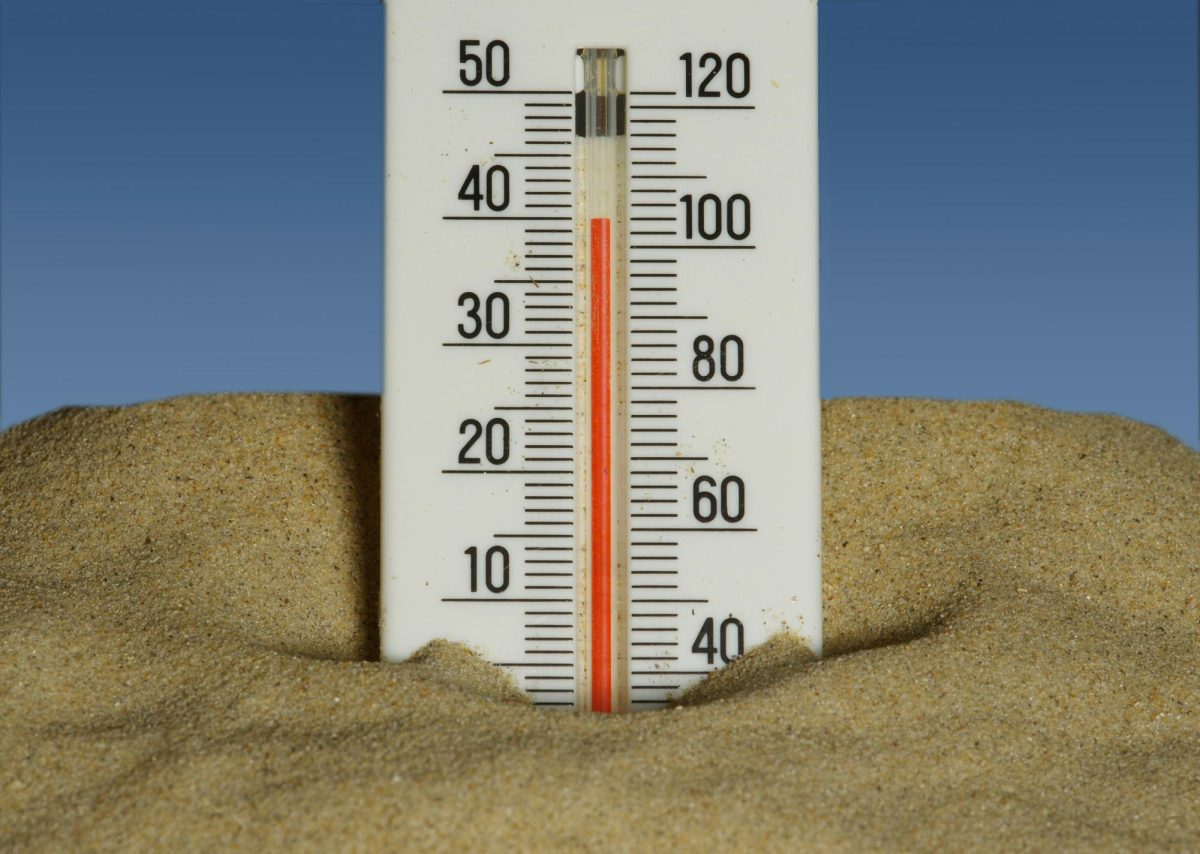











Florida, despite its status as the ‘sunshine state,’ is notoriously known for its extreme weather conditions. From hurricane season during summer and fall, the unbearable combination of humidity and heat during and before the summer, to flash floods threatening low-income communities, Florida has the ability to make any snowbird yearn for the snowy months of the north.
Though Florida often experiences such extremities, it is least known for earthquakes.
Not long ago, on June 8, Cuba was hit by an earthquake with a magnitude of 6.1, and the effects of the earthquake were so strong it was felt by Florida’s Gulf Coast. Seismologists state that the quake reportedly had a depth of 10 kilometers, however there were no immediate reports of damage on land. The epicenter of the earthquake was reportedly 104 kilometers west-northwest of Mantua, Cuba.
Additionally, North Fort Myers briefly experienced a tornado around 5:15 p.m. on Sunday, June 28 with winds of 65 mph causing damage to mobile homes. This was another instance of unusual atmospheric activity in Florida.
Based on historical trends, a major reason why Florida is facing so many weather conditions we don’t typically experience this year could be because of climate change. It has been documented before that sudden and uncommon natural hazards, such as forceful blizzards in northern states and more powerful hurricanes such as hurricane Ian in Florida, are thought to have stemmed from changes in temperature within the atmosphere commonly caused by greenhouse gases.
Not only do the higher temperatures affect certain ecosystems, such as the North and South Poles, but they disturb the earth’s natural water cycle, change wind patterns and increase the severity of droughts, storms and heat waves. Communities who may not have the infrastructure to deal with such changes tend to suffer the most when it comes to weather patterns caused by climate change.
In 2026, however, there are plenty of ways Gulf Coast inhabitants can stay safe against extreme weather.
On days with extreme heat indexes, make sure to stay hydrated and stay indoors during the warmest parts of the day. Staying up to date with local news sources about the weekly weather can help plan for the week and avoid getting caught in sudden tropical storms. If the time comes to prepare for a hurricane, stock up on food, supplies and possibly a generator in the event of a hurricane with an intensity of 2 or above.
Choosing to wear loose, lightweight clothing could help avoid heat exhaustion and improve overall comfort during the summer days of Florida. Taking steps to reduce carbon footprints is another way to combat these weather conditions. Small changes such as driving less, conserving water, not wasting food or electricity all make a difference in fighting climate change.
Of course, while it tends to be large business and government practices that lead to climate change, little habits can inspire change every day.